AI-Powered Phishing Tactics: Would You Recognize Them?
Phishing has long been one of the preferred methods cybercriminals use to infiltrate corporate networks. However, with the rapid rise of generative artificial intelligence, these attacks have reached an unprecedented level of sophistication and credibility. The obvious spelling mistakes, grammatical errors, awkward phrasing, and generic messages that once made phishing attempts easy to spot are quickly disappearing.
Today, fraudsters have access to automated tools capable of producing flawless content tailored to a target’s professional context. In just a few clicks, attackers can generate phishing emails that sound natural, convincing, and highly personalized, making it easier than ever to deceive employees and executives alike.
How Is AI Used in Phishing Attacks?
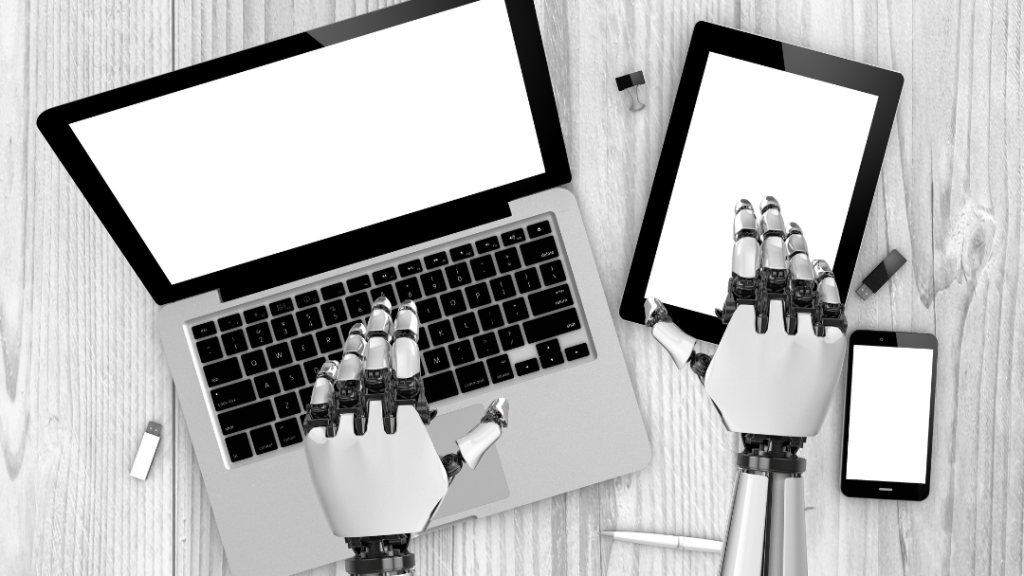
The use of AI by cybercriminals is fundamentally transforming digital fraud, both in scale and effectiveness.
On one hand, AI automates the creation of large-scale phishing campaigns at remarkable speed. Attackers can generate unique variations of phishing lures in seconds, a process that previously required hours of manual effort. On the other hand, these tools can be used to launch highly targeted spear-phishing attacks by analyzing publicly available information from professional networking sites, corporate websites, news articles, and social media platforms to build detailed victim profiles.
Cybercriminals are also expanding beyond traditional email-based attacks. Using deep learning technologies, they can conduct voice phishing, or “vishing,” by cloning the voice of an executive, colleague, or vendor to request urgent fund transfers. Likewise, attackers increasingly rely on SMS phishing and realistic fake corporate portals designed to steal credentials and passwords without raising suspicion.
Why AI Makes Phishing More Dangerous
Artificial intelligence enables attackers to produce hundreds of variations of the same message in a matter of minutes. These phishing emails can accurately mimic the tone of a company executive, the writing style of a supplier, or the communication habits of a trusted business partner, eliminating the inconsistencies that once revealed fraudulent messages.
Using generative AI, cybercriminals can automate contextual analysis and create highly convincing phishing attempts at scale.
Attackers also leverage publicly available data from platforms such as LinkedIn, company websites, and press releases to target individuals with remarkable precision. By combining these open-source intelligence sources, AI can build a detailed picture of a target’s role, responsibilities, colleagues, and recent projects.
An email referencing an active contract or ongoing internal initiative can easily create a false sense of legitimacy and trust.
This level of personalization pushes spear-phishing to a new level of sophistication, where social engineering tactics adapt directly to the victim’s circumstances. As a result, employees are more likely to disclose sensitive information, click malicious links, or compromise organizational security.
The Warning Signs Have Changed
For years, cybersecurity awareness training focused on spelling mistakes, poorly written sentences, and generic greetings as common indicators of phishing attempts.
With the evolution of advanced language models, these traditional red flags are becoming less reliable. Modern AI-generated phishing messages are often grammatically perfect and professionally written.
While some mass phishing campaigns may still contain obvious errors, organizations can no longer rely on these indicators alone to identify threats.
Instead, watch for contextual and behavioral warning signs such as:
- Urgent requests demanding immediate action due to an alleged business disruption or penalty
- Unexpected changes to vendor banking information or payment instructions
- Invoices, purchase orders, or shared documents received without prior communication
- Requests to urgently log in to a corporate portal or enter credentials through an external webpage
- Suspicious QR codes or hidden hyperlinks directing users to unfamiliar URLs
- Confidential instructions or unusual wire transfer requests allegedly sent by executives or colleagues
- Multi-channel phishing attempts that combine email with phone calls, text messages, or collaboration platforms
Even when a message appears legitimate and originates from a trusted source, it is essential to maintain a healthy level of skepticism. Always verify financial requests, credential-related instructions, or sensitive administrative actions through a secondary trusted communication channel, such as a direct phone call.
Human Error Remains the Primary Target
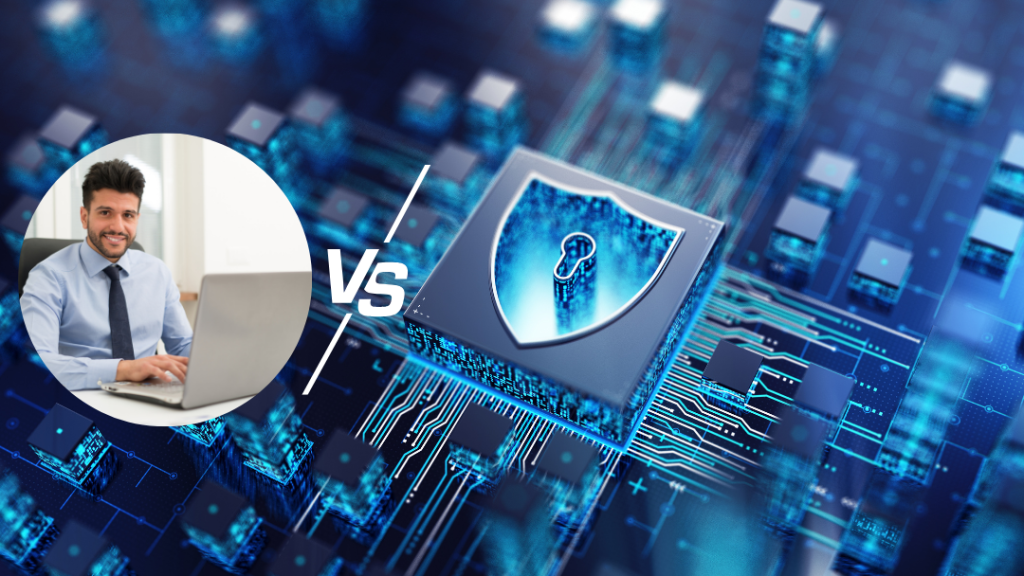
Despite increasingly advanced security technologies and sophisticated firewalls, people remain one of the most exploited entry points for cybercriminals.
Why? Because convincing a busy employee to click a malicious link is often far easier than bypassing multiple layers of technical security controls. Attackers leverage urgency, authority, fear, and curiosity to bypass critical thinking at precisely the moment an employee is processing incoming communications.
In today’s connected business environment, a single click can lead to:
- Theft of confidential information and intellectual property
- Compromise of a Microsoft 365 account and access to internal communications
- Deployment of malware or ransomware across the network
- Business disruption and operational downtime
- Exposure of banking details and financial information
- Significant financial losses due to wire transfer fraud or ransom demands
For this reason, ongoing cybersecurity awareness and user education are now essential components of any effective security strategy.
How to Prepare Employees for These New Threats
The best way to learn how to identify phishing attacks is through practice.
Phishing simulation programs expose employees to realistic attack scenarios in a safe and controlled environment. This hands-on approach helps users recognize warning signs and develop stronger cybersecurity habits over time.
The objective is not to trick employees, but to continually strengthen their ability to detect and report suspicious activity.
At MS Solutions, the Vigilance platform provides continuous phishing simulations and personalized training based on employee behavior. Organizations gain valuable insights into their human risk exposure while helping staff build stronger security awareness.
Vigilance Is Still Your Best Defense
Artificial intelligence is changing the techniques cybercriminals use, but one fundamental principle remains unchanged: vigilance is your strongest line of defense.
Organizations that invest in ongoing employee awareness and cybersecurity training significantly reduce their exposure to phishing attacks. The better prepared employees are to recognize modern phishing tactics, the lower the likelihood of a successful compromise.
As Cybersecurity Awareness Month approaches, take the opportunity to assess your organization’s readiness. A simple phishing simulation may reveal vulnerabilities that would otherwise remain hidden.
Want to know if your employees could recognize an AI-powered phishing attack?
Discover Vigilance, the phishing simulation platform from MS Solutions, and strengthen your organization’s first line of defense: your people.